
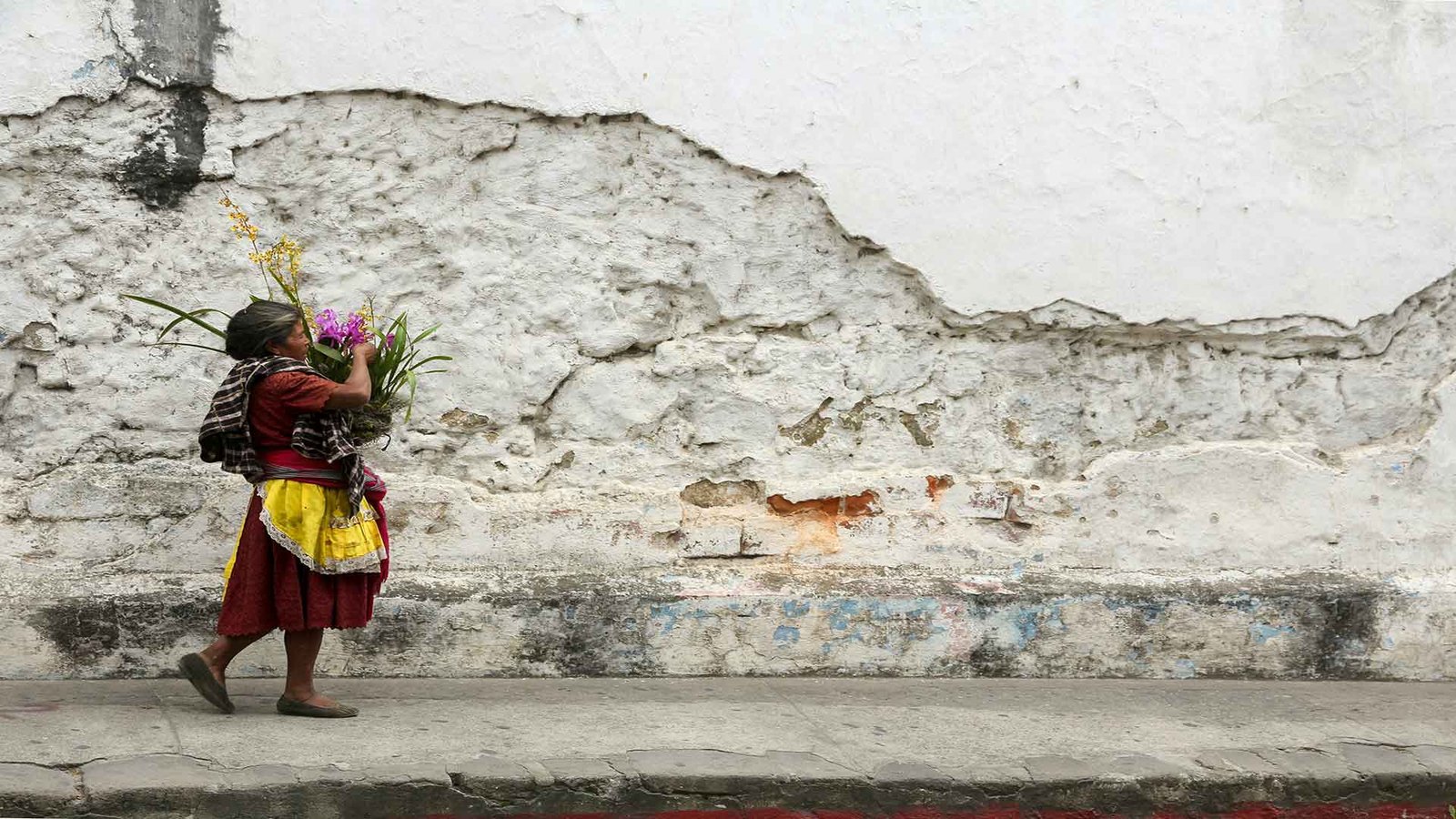

Contemporary fashion operates within a global structure that reproduces historical inequalities by transforming territories of the Global South into reservoirs of raw materials, aesthetics, and cultural narratives without establishing mechanisms of return. This dynamic reflects an economic order that, as recent analyses argue (Hickel, 2020), concentrates wealth in consumption centers while externalizing social and ecological costs to peripheral regions. Consequently, extractivism in fashion is not an isolated phenomenon but a systemic pattern shaping how design is produced, circulated, and valued.
Within this framework, aesthetic extractivism becomes evident when patterns, iconographies, or chromatic palettes originating from Indigenous or Afro-descendant communities are incorporated into collections without recognition or participation from their creators. In doing so, the industry transforms collective knowledge into decontextualized commodities, reinforcing a logic in which culture is treated as a resource available to those with the power to commercialize it. Thus, the notion of “inspiration” often functions as a mechanism that obscures deeply asymmetrical power relations.
Building on these asymmetries, material extractivism intensifies pressure on vulnerable ecosystems. The global demand for natural fibers, botanical dyes, and mineral resources has generated new forms of exploitation that present themselves as sustainable while continuing to operate under the same logic of unilateral extraction. However, the green rhetoric adopted by many brands does not guarantee economic redistribution or community participation, revealing how sustainability claims can serve as instruments of legitimacy rather than indicators of genuine commitment.
Complementing these dynamics, narrative extractivism transforms complex territories into symbolic landscapes designed to fuel advertising campaigns. Fashion frequently relies on imagery from the Global South to construct narratives of authenticity, spirituality, or exoticism that function as cultural capital for brands. Yet this aestheticization erases histories of resistance, socio-environmental conflicts, and structural inequalities that shape these regions. As a result, narrative becomes another resource extracted without returning value.
These patterns align with studies demonstrating how global value chains thrive precisely in contexts of vulnerability (Tsing, 2015). In territories marked by economic or ecological precarity, local creativity becomes raw material for industries that do not establish reciprocal relationships. In fashion, this logic manifests in collections that celebrate what is labeled “ancestral” or “artisanal” without engaging with the communities that sustain these traditions, thereby perpetuating a profoundly unequal cultural economy.
Given this landscape, it becomes essential to promote design practices that challenge the extractive relationship between fashion and territory. An ethical approach requires verifiable traceability, economic redistribution, direct collaboration with communities, and processes that regenerate rather than deplete ecosystems. It also demands responsible storytelling that represents territories in their complexity and dignity rather than through exoticized simplifications. In this sense, design shifts from being a purely aesthetic exercise to becoming a political practice oriented toward care.
Some emerging initiatives demonstrate that it is possible to build fashion systems that do not depend on dispossession. These projects prioritize respect for territories, transparency across the value chain, and coherence between discourse and action. Their commitment to ethics is not an accessory but the foundation of their identity, and their approach to design is grounded in reciprocity, material responsibility, and ecological awareness. In doing so, they offer tangible alternatives to a system that has historically privileged extraction over restitution.
Therefore, in a context where extractive fashion continues to reproduce global inequalities, consumers play a decisive role. Choosing brands that return value to territories, work with material responsibility, and honor the knowledge that inspires their designs becomes a concrete form of cultural resistance. Critical education on these issues not only transforms how we consume but also reshapes how we understand the relationship between creativity and justice. Ultimately, opting for ethical practices is an investment in a future where fashion no longer extracts but actively contributes to the dignity and sustainability of the territories that sustain it.
