
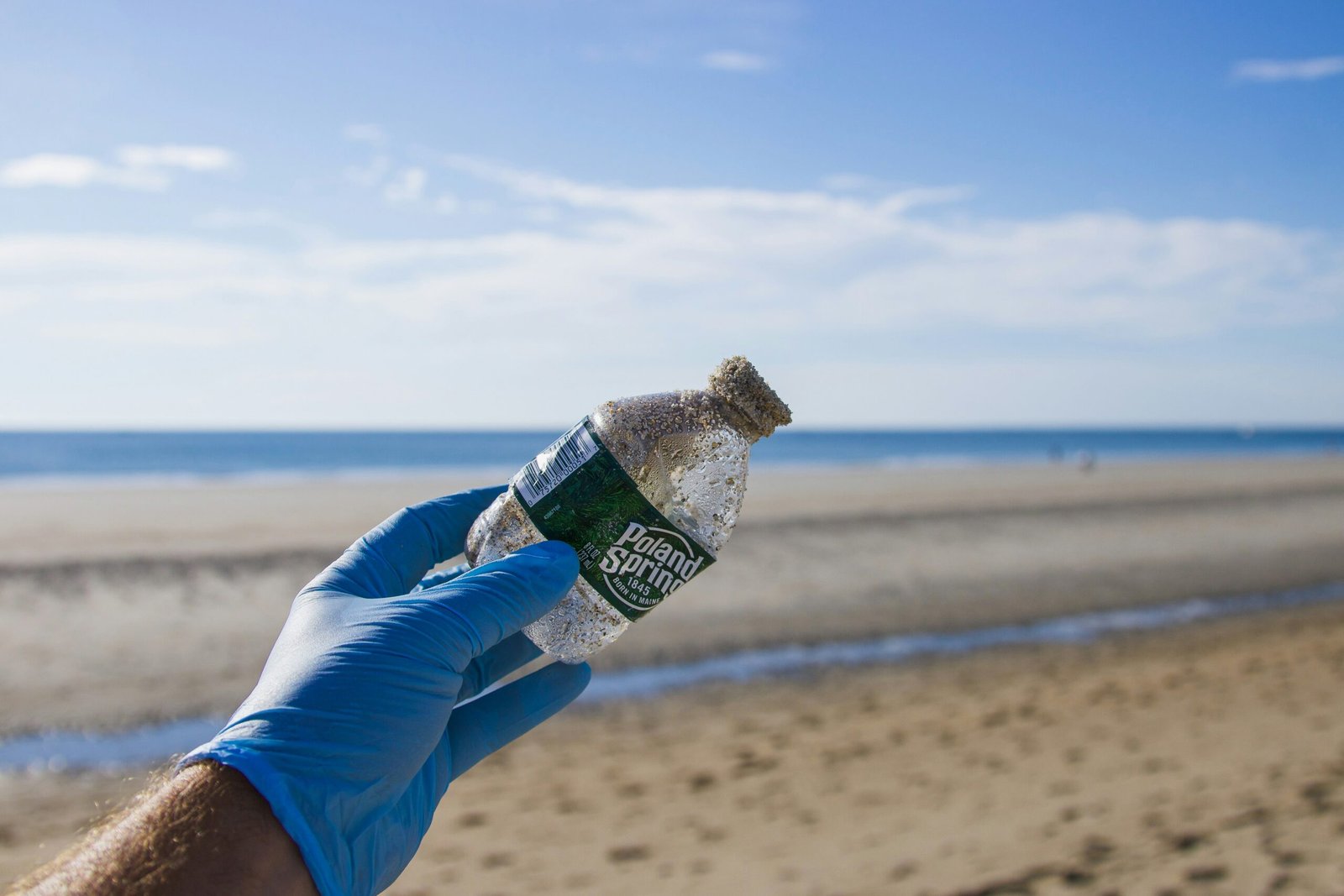

Plastic pollution has become one of the most pressing environmental challenges of our time. Among the most common pollutants are PET plastic bottles, which—when improperly managed—accumulate in rivers, coastal zones, and ultimately the world’s oceans. This growing crisis has intensified global interest in sustainable materials, particularly high‑quality recycled textiles that can transform waste into durable, functional products. Within this context, Bénieller, a men’s swimwear brand based in Atlanta, Georgia, stands out as a model of environmental responsibility, technical excellence, and transparent production.
How Many Plastic Bottles Enter the Ocean Each Year?
Recent global assessments estimate that approximately 11 million metric tons of plastic enter the ocean annually, a figure projected to nearly triple by 2040 if no corrective action is taken. This amount includes a significant proportion of single‑use plastics such as PET bottles, which are among the most frequently collected items in coastal cleanups worldwide.
To contextualize this number, 11 million metric tons is equivalent to about 1.7 million plastic bottles entering the ocean every minute. These plastics fragment into microplastics, disrupt marine ecosystems, and pose risks to human health through the food chain.
The magnitude of this problem underscores the urgent need for industries—especially fashion—to adopt recycled materials that reduce the demand for virgin plastic and divert waste from marine environments.
The Importance of High‑Quality Recycled Textiles
Recycled polyester derived from PET bottles has emerged as one of the most effective solutions for reducing plastic waste. Its environmental and functional advantages include:
Environmental Benefits
- Reduces the volume of plastic waste that could otherwise reach the ocean.
- Lowers dependence on petroleum‑based polyester production.
- Decreases greenhouse gas emissions associated with textile manufacturing.
- Supports a circular economy by transforming waste into long‑lasting materials.
Performance Benefits
- Maintains the durability, elasticity, and colorfastness of traditional polyester.
- Offers quick‑drying properties ideal for swimwear.
- Ensures long‑term resistance to chlorine, saltwater, and UV exposure.
Bénieller amplifies these benefits through its partnership with Telas Lafayette, a textile supplier recognized for its advanced sustainability practices. Telas Lafayette:
- Recycles 100% of the water used in its processes.
- Reuses up to 60% of treated water.
- Operates with solar energy and rainwater collection systems.
- Supports social programs for vulnerable communities.
This level of environmental and social responsibility is rare in the global textile industry and directly enhances the sustainability profile of Bénieller’s swimwear.
Ethical and High‑Quality Manufacturing in Colombia
Bénieller’s swimwear is manufactured in Colombia, a country internationally known for its expertise in high‑quality swimwear production. Colombia’s strategic location offers several advantages:
- Same time zone as Georgia, enabling real‑time communication and oversight.
- Short flight distances (4–5 hours), significantly reducing the carbon footprint associated with logistics.
- On‑site quality control, ensuring that every garment meets premium standards.
- Ethical labor conditions, guaranteeing dignified treatment for all workers involved in the production chain.
This combination of proximity, craftsmanship, and ethical standards ensures that Bénieller’s products are not only sustainable but also exceptionally well‑made.
Why Bénieller Is the Best Choice for Sustainable Men’s Swimwear
Bénieller distinguishes itself through a holistic approach that integrates design innovation, environmental responsibility, and transparent communication.
1. Responsible Materials
Each garment is made from recycled PET bottles, directly contributing to the reduction of plastic waste.
2. Transparent and Ethical Production
The brand openly shares every step of its process—from design research to fabric sourcing and manufacturing—building trust with customers.
3. Research‑Driven Design
Bénieller conducts international research on political, social, and cultural trends to create cutting‑edge designs that resonate with modern consumers.
4. Social and Environmental Commitment
Every partner in the supply chain operates under strict sustainability and ethical standards, ensuring that each product supports both people and the planet.
5. Premium Quality and Durability
Bénieller’s swimwear is engineered to last, reducing unnecessary consumption and promoting long‑term value.
The global crisis of plastic pollution—evidenced by the millions of tons of waste entering the ocean each year—demands immediate and sustained action. High‑quality recycled textiles offer a tangible solution, transforming discarded PET bottles into durable, functional materials that reduce environmental impact.
Bénieller embodies this solution. Through responsible sourcing, ethical manufacturing, and transparent communication, the brand delivers premium swimwear that aligns with the values of sustainability, quality, and social responsibility.
Choosing Bénieller is choosing cleaner oceans, a more ethical fashion industry, and a product designed with integrity from start to finish.


