

In an age defined by acceleration, the rarest gesture is the one that slows down. The world urges us toward accumulation—more choices, more noise, more of everything—yet the most refined forms of creation emerge from the opposite impulse. To do less, but to do it exquisitely, is not an act of limitation; it is an act of mastery. It is the quiet confidence of those who understand that excellence is not born from abundance, but from intention.
The philosophy of reduction is often misunderstood as minimalism, but it is something far more nuanced. It is not about stripping away for the sake of austerity, nor about cultivating an aesthetic of emptiness. It is about precision. It is about the discipline of choosing only what serves a purpose, and allowing the unnecessary to fall away. In design, this discipline becomes a form of authorship. Every line, every texture, every proportion carries the weight of a deliberate decision. Nothing is accidental. Nothing is ornamental without reason.
To edit is to respect the object and the person who will live with it. It is a form of generosity disguised as restraint. When a creator chooses to refine rather than embellish, they offer clarity instead of confusion, longevity instead of novelty. The result is an object—or an experience—that feels resolved. Complete. Balanced in a way that invites calm rather than demanding attention. This is the essence of quiet luxury: not the spectacle of excess, but the serenity of something impeccably considered.
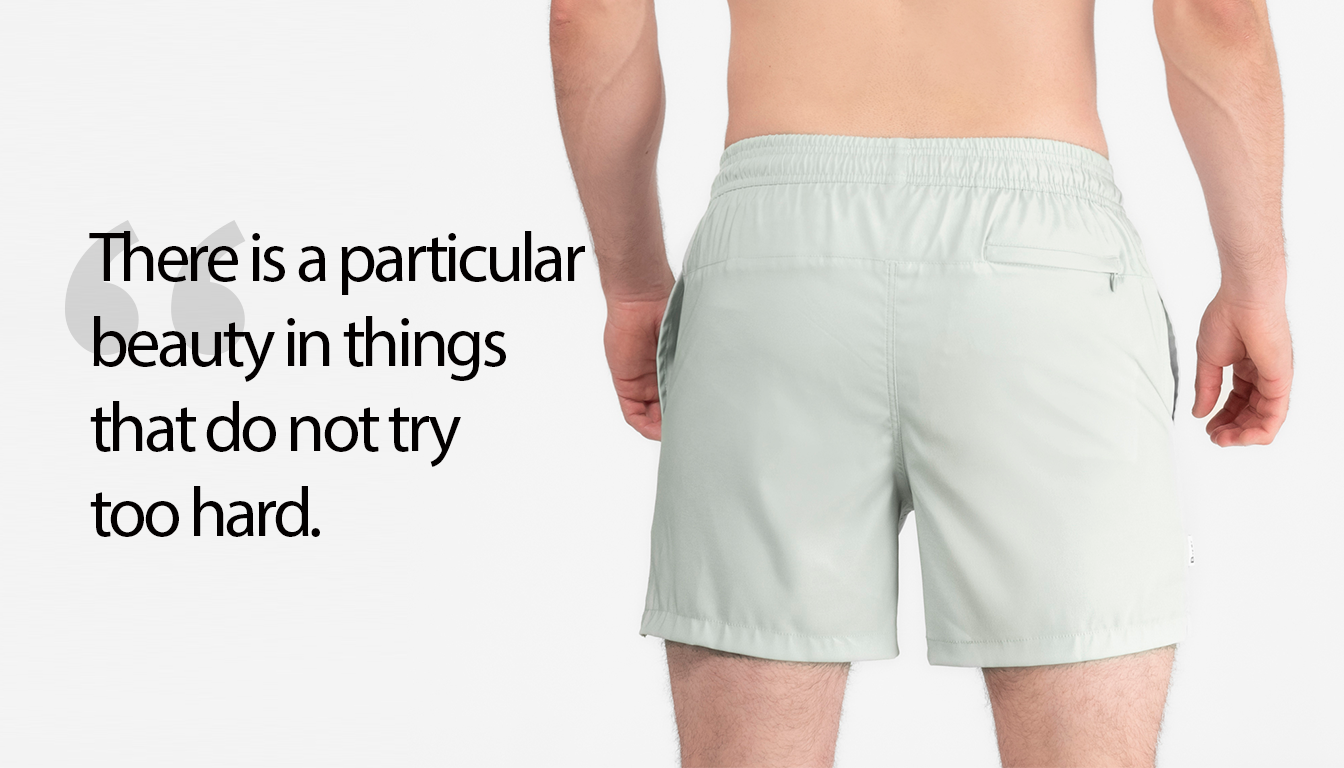
There is a particular beauty in things that do not try too hard. A garment whose silhouette falls just so. A space where light moves with intention. A product that reveals its quality not through logos or declarations, but through the subtle confidence of its construction. These are the pieces that endure. They do not chase trends; they transcend them. They become companions rather than statements, part of a life rather than a performance.
To do less, but better, is also a way of living.
To do less, but better, is also a way of living. It is the decision to curate rather than accumulate, to choose experiences over distractions, to value depth over breadth. It is the understanding that refinement is not about having more, but about needing less. In a culture obsessed with immediacy, this approach feels almost radical. It asks us to pause, to consider, to invest in what truly matters—whether that is an object, a moment, or a way of being.
Ultimately, the art of doing less, but better, is a commitment to excellence that whispers rather than shouts. It is a philosophy that honors time, craftsmanship, and intention. And in a world overflowing with the disposable, it offers something enduring: the quiet luxury of things made with care, clarity, and purpose.
