

Ethnic dysphoria has become a key concept for understanding the discomfort experienced by racialized individuals when their features, origins, or bodies confront aesthetic systems that privilege homogeneity. Although it is not a formal clinical diagnosis, social psychology has shown that pressure to conform to dominant norms can generate persistent identity tensions. Homi Bhabha (1994) explains that racialized subjects exist in a constant state of negotiation between their self‑image and the cultural expectations imposed upon them, producing a sense of symbolic instability. This perspective positions ethnic dysphoria as a conflict between internal identity and the identity assigned by society.
Critical scholarship has also demonstrated that one’s perception of the body is deeply shaped by historical structures of racialization. Frantz Fanon (1952) argues that the social gaze functions as a mechanism that fixes the individual in a hierarchical position, creating a distance between the lived self and the perceived self. Within this framework, the body becomes a site where the subject internalizes discourses that position them as “other,” intensifying feelings of rejection toward their own ethnic features. This theoretical foundation is particularly relevant for analyzing the role of fashion, a visual system that shapes collective imaginaries and determines which bodies are legitimized.
In this context, fashion assumes a decisive role because it operates as a cultural technology that establishes the parameters of visibility and desirability. When aesthetic canons are constructed through Eurocentric logics, they reinforce the idea that certain features must be softened or corrected. This dynamic affects self‑esteem and shapes how racialized individuals relate to their own image. Any strategy aimed at mitigating ethnic dysphoria must therefore begin by interrogating the representational systems that fashion reproduces.
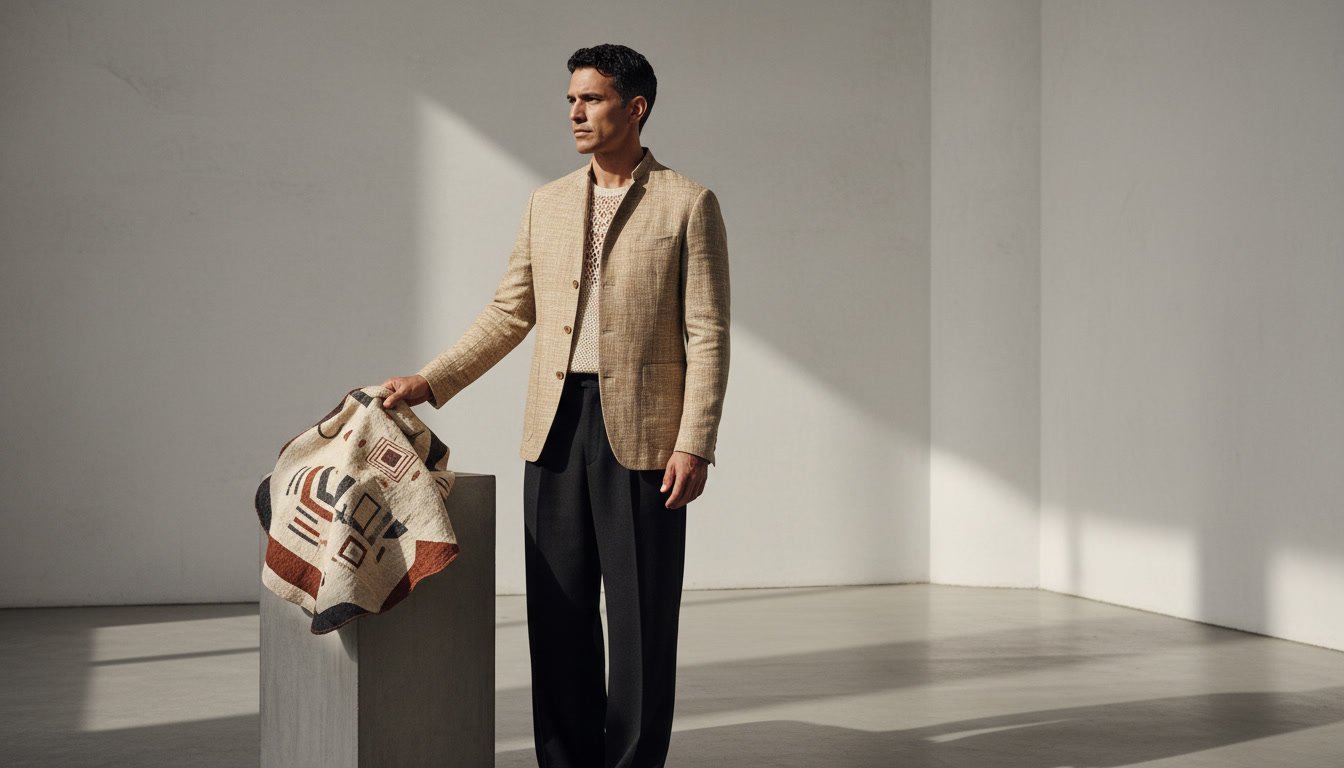
Fashion creators have the capacity to intervene in this process by expanding visual imaginaries. The inclusion of diverse phenotypes—presented through a contemporary aesthetic rather than through exoticization—helps generate a space where ethnic identities are understood as integral to the cultural landscape. This practice extends beyond simply showcasing different bodies; it involves constructing visual narratives that legitimize plurality as an aesthetic and social value.
Self‑representation within the industry is also essential for reducing identity‑based discomfort. When racialized designers, photographers, stylists, and models participate actively in image‑making, symbolic power is redistributed. Their presence transforms fashion into a space where identities can be expressed without mediations that distort their complexity. Self‑representation strengthens cultural agency and broadens visual diversity from an authentic standpoint.
Another significant contribution emerges from the ethical and contemporary revaluation of cultural aesthetics. Fashion can serve as a bridge between tradition and modernity when it integrates cultural elements without reducing them to folkloric commodities. This form of aesthetic translation allows racialized individuals to find in fashion a space to reinterpret their heritage, reconnecting with it through pride and a forward‑looking vision.
Visual education also plays a fundamental role. Campaigns, editorials, and collections that contextualize racialized aesthetics help dismantle entrenched prejudices. By offering critical narratives and accessible information, fashion can reshape public perception of ethnic diversity and reduce the social pressures that fuel dysphoria. Visual pedagogy thus becomes a tool for transforming collective imaginaries and promoting a more inclusive aesthetic culture.
Ultimately, mitigating ethnic dysphoria through fashion requires an ethical commitment: recognizing that every image produced holds the power to heal or to harm. Creators who choose to expand representational horizons not only transform the industry but also contribute to the possibility that racialized individuals may find a space of reconciliation with their identity. Fashion, when practiced with critical awareness, can become a site of symbolic repair and an act of resistance against the narratives that have historically constrained ethnic experience.
